Usual size
30–55 cm
Maximum
100 cm
Where
Rock · Sand · Harbours and breakwaters · Estuaries (rías)
When
Indicative abundance from the shore in northern Spain
All year, best from autumn to spring with moderate swell and white water. Dawn, dusk and night; rising tide and the first hours of the ebb.
Natural baits
- Peeler crab
- Ragworm
- Live prawn
- Sardine
- Razor clam
- Small squid
Lures
- Soft shads 9–14 cm
- Minnows and jerkbaits
- Stickbaits (walk-the-dog)
- Poppers at dawn
How to recognise it
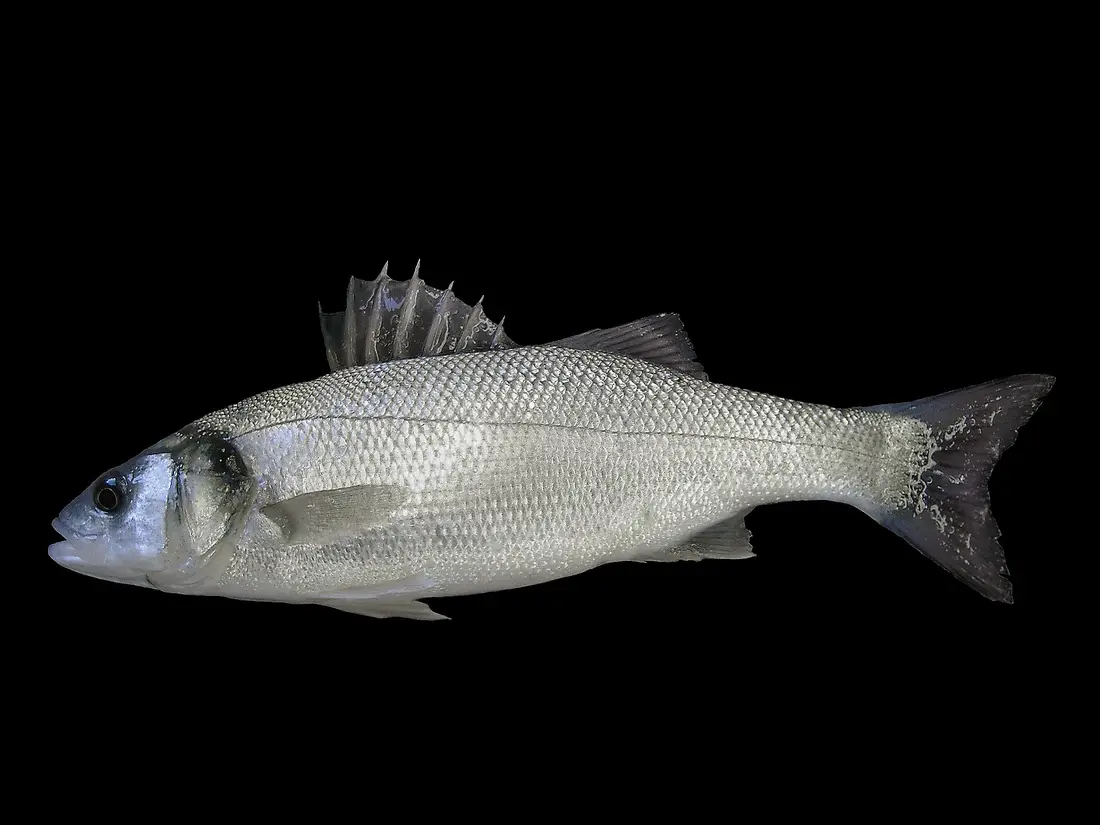
Long silver body with a blue-grey back, two separate dorsal fins and a dark spot on the gill cover.
Tip
Look for white water where waves break over rock or sand: it hunts there using the current. In clear water use fine lines and stay stealthy.
Minimum size and rules by area
Galicia
Recreational: 42 cm north of Fisterra and 36 cm to the south (Rías Baixas).
Asturias
Recreational size (commercial fishing: 36 cm).
Cantabria
Recreational size (commercial fishing: 36 cm).
Basque Country
East of Santa Clara island (Donostia) it is 44 cm and 1 fish per licence per day.
Fish are measured from the tip of the snout to the end of the tail; squid and cuttlefish by the mantle. If it is undersized, release it alive.
Official sources →